French Bulldog This is My Human Costume Review
When I first opened the file for French Bulldog This is My Human Costume, my initial reaction was a mix of amusement and professional caution. As someone who has stitched thousands of designs for clients ranging from boutique owners to craft fair hobbyists, I know that a funny concept does not always translate well into thread. Typography-heavy designs are particularly tricky because they rely entirely on stitch density and letter clarity to succeed. However, after running some mental simulations on how this design would look on various fabrics, I am convinced that with the right approach, this piece can be a standout addition to any embroidery project.
The First Impression: Mood and Layout
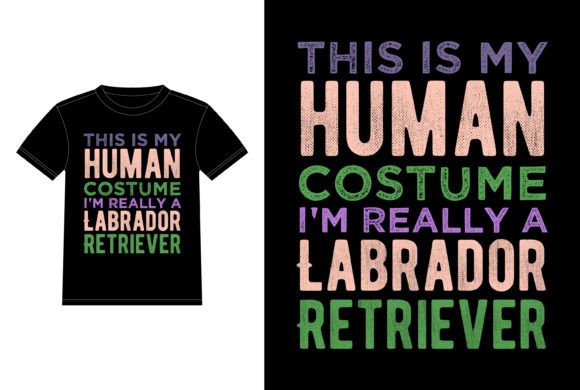
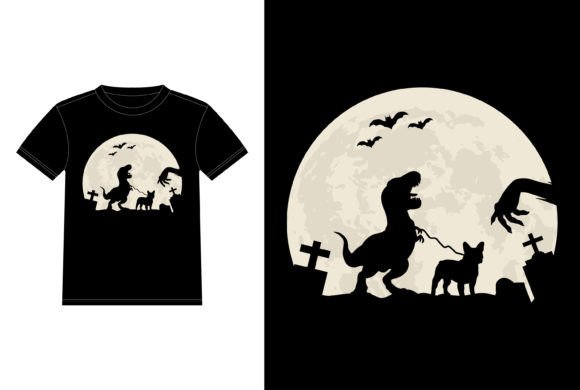
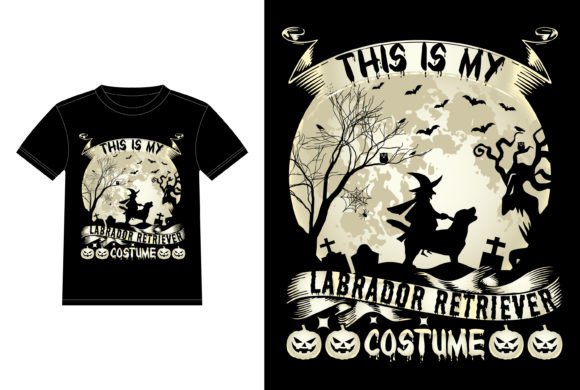
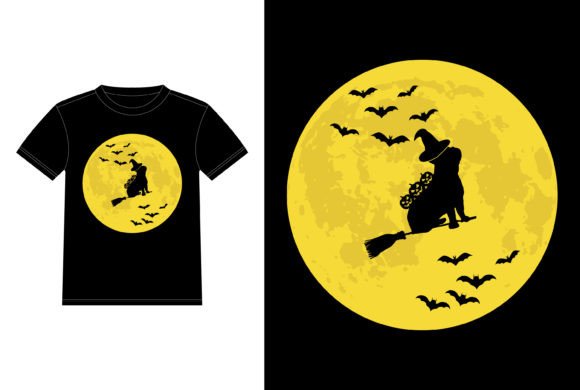
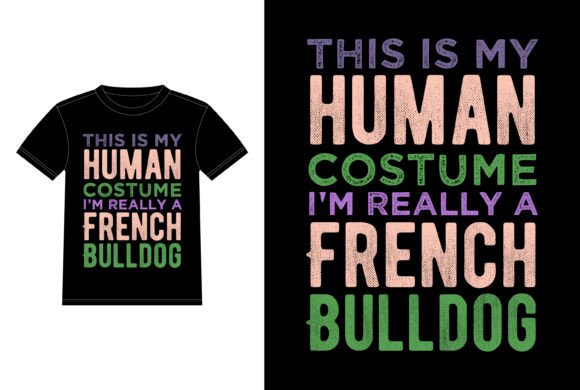
The visual personality of French Bulldog This is My Human Costume is undeniably playful. It captures the chaotic energy of Halloween while maintaining a clean enough structure to work as a permanent garment decoration. The typography is the star here, promising a narrative that immediately engages the viewer. For an embroidery designer, the challenge lies in translating those sharp digital lines into soft, raised threads without losing the wit of the message. The layout feels balanced, suggesting it will sit well on standard placement areas like the chest of a sweatshirt or the center back of a tote bag. It avoids the cluttered look that often plagues novelty items, which is a strong indicator of its potential value as a commercial product.
Real-World Application: From Digital File to Finished Product
To truly understand the utility of this design, let's imagine a real-life scenario. You are preparing inventory for a local holiday market or refreshing your Etsy shop with seasonal items. You decide to create a custom embroidered tote bag using this embroidery file. The concept fits perfectly with the "dog mom" demographic, a niche that consistently performs well in handmade markets. When you pull up the design in your digitizing software, you notice the text requires careful attention to stitch density.
If you place this on a canvas tote, the satin stitch used for the letters will pop beautifully against the textured fabric. The contrast between the smooth thread and the rough weave adds a tactile dimension that print cannot match. Customers love feeling the quality of a handmade item, and this design allows them to do just that. Imagine a customer holding a sturdy canvas tote with the phrase French Bulldog This is My Human Costume stitched in bold, contrasting colors. It becomes more than just a bag; it becomes a conversation starter and a badge of identity for the owner.
This same design could also shine on a baby onesie or a nursery pillow cover. The humor translates well to parents who want something unique rather than generic. However, when moving to smaller items like a cap or a small patch, the scale becomes critical. If the design is too large for the curved surface of a hat, the text might distort, ruining the legibility of the joke. That is why understanding the specific constraints of your hoop size is essential before committing to production.
Where Caution is Required
While the concept is strong, there are specific scenarios where French Bulldog This is My Human Costume needs careful handling. Small hoop sizes are the most obvious pitfall. If you attempt to stitch this on a very small item, such as a child's bib or a tiny accessory, the lettering may become illegible. Embroidery machines have physical limitations, and pushing a complex text design beyond the capacity of a small hoop often results in skipped stitches or distorted shapes.
Fabric texture is another major factor. On thin, stretchy knits, the tension required to hold the design together can cause the fabric to pucker, making the text look wavy and unprofessional. Similarly, dark fabrics present a challenge if the design relies on light thread colors. While high-quality thread can overcome this, the underlying fabric color might still show through if the stitch density is not sufficiently high. In these cases, underlay stitching becomes non-negotiable to ensure the final result looks crisp and intended.
Additionally, items that undergo frequent washing, such as kitchen towels or aprons, require extra reinforcement. A design with dense fill areas might trap lint or water if not stabilized correctly. For these functional items, you must ensure the design is optimized for durability rather than just visual flair. Always test the embroidery project on scrap fabric first to see how the material reacts to the machine's pressure.
Impact on Brand and Customer Trust
In the world of craft business and Etsy seller communities, presentation is everything. A poorly executed design can damage a brand's reputation instantly. When a customer buys a personalized gift, they expect perfection. If the text of French Bulldog This is My Human Costume looks muddy or misaligned, it suggests carelessness. Conversely, a clean, precise execution builds trust and encourages repeat purchases.
The design also affects the perceived value of the finished product. High-quality embroidery implies a higher price point. By carefully selecting thread colors and ensuring proper stabilization, you elevate the item from a simple novelty to a premium good. This is crucial for commercial embroidery projects where margins matter. A well-stitched shirt featuring this design can command a significantly higher price than a screen-printed version, provided the craftsmanship is evident.
Practical Designer Notes for Success
Before you start stitching, there are several technical steps you must take to ensure success. First, review the digital embroidery file specifications. Check if the design includes necessary underlay stitches and if the file format is compatible with your machine. If the file is a T-Shirt Designs category graphic originally meant for printing, you may need to convert it specifically for embroidery to adjust the stitch types.
Conduct a thorough test run on scrap fabric. This is the only way to verify that the stitch density is appropriate and that the hoop size accommodates the design without cutting off important details. Pay close attention to the corners of the letters; tight turns often require special attention to prevent thread breaks or puckering. If the design includes any applique elements, ensure you have the correct backing materials ready.
Consider the end use of the item. If it is a holiday gift, the design should be placed prominently where it can be easily seen. For boutique branding, consistency in placement across different products is key. Also, verify the licensing terms before selling finished items. Some design assets are for personal use only, and selling them commercially without permission can lead to legal issues. Confirm whether you have the right to sell the final embroidered product or if you are restricted to digital sales.
Finally, don't forget to compare light and dark fabric backgrounds in your mockups. Sometimes a design looks perfect on a white background but loses impact on navy or black. Adjusting the thread colors to maximize contrast can make all the difference in the final aesthetic. Whether you are creating a tote bag design, a sweatshirt embroidery piece, or a custom apparel item, taking the time to plan ensures that French Bulldog This is My Human Costume delivers the humor and quality it promises.