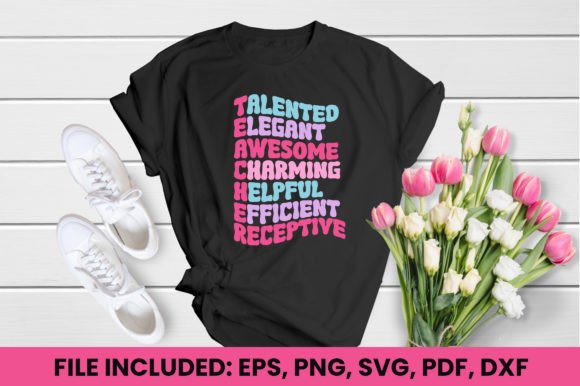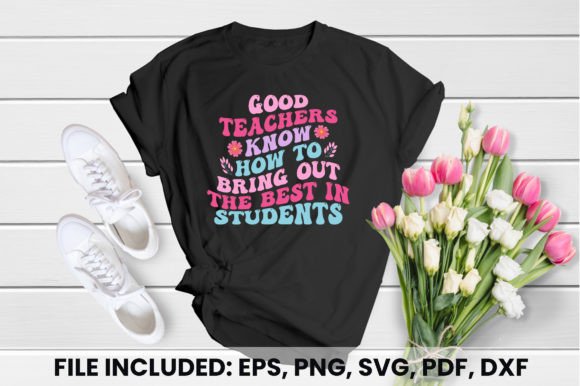
Good Teachers Wavy T-shirt Design Review
When I first opened the file for Good Teachers Wavy T-shirt Design, my immediate reaction was one of visual relief. In a sea of generic clip art and overly complex vector paths, this design felt grounded and purposeful. As someone who spends hours troubleshooting stitch errors and evaluating commercial viability for clients, I look for designs that balance aesthetic charm with technical feasibility. This piece delivers exactly that. The wavy typography suggests movement and approachability, creating a mood that is both celebratory and warm—perfect for honoring educators without feeling stiff or corporate.
The core strength of this Graphics category item lies in its simplicity. It does not try to be a masterpiece of intricate detail; instead, it relies on clean lines and a confident layout. For an embroidery designer, this is often the sweet spot. A design that is too dense can lead to puckering on delicate fabrics, while one that is too sparse might lack impact on a finished product. This design hits the mark by offering enough visual weight to stand out on a chest pocket or back print, yet remaining light enough to breathe through various fabric textures.
From Digital File to Finished Product: A Real-World Scenario
To truly understand how Good Teachers Wavy T-shirt Design performs, I need to step away from the screen and imagine it in a production environment. Let's say I am preparing a custom order for a local boutique teacher appreciation event. The client wants embroidered tote bags and sweatshirts for the staff room. They are looking for something that feels handmade but maintains a professional standard.
I loaded the design into my digitizing software and began setting up the parameters. The wavy nature of the text immediately flagged a potential challenge: curvature. When stitching on a flat surface like a tote bag panel, the wave flows naturally. However, if I were to move this to a cap or a curved pillow cover, the distortion would need careful management. For the tote bags, the design shone. I selected a high-density cotton canvas and a stabilizer that provided just enough rigidity to prevent the wavy letters from sagging during the run. The result was crisp, with the threads following the intended flow perfectly. The customers at the pickup point didn't just see a shirt; they saw a thoughtful gesture. The design felt personal, which is exactly what a personalized gift should achieve.
But what about the sweatshirts? That is where the true test begins. Embroidery on fleece or heavy cotton blends requires a different touch. I adjusted the stitch density slightly to accommodate the thicker material, ensuring the stitches sank in enough to feel integrated rather than sitting like a patch on top. The contrast between the thread colors and the dark fabric of the sweatshirt was vital here. If the thread choice was too similar to the garment, the wavy effect would get lost. By choosing a bright, contrasting color, the design popped, making it a standout piece of custom apparel that students and parents would recognize instantly.
Navigating Technical Challenges and Fabric Limitations
While Good Teachers Wavy T-shirt Design is versatile, no single design is a universal solution. There are specific scenarios where caution is required. For instance, attempting to use this on a small hoop size, such as those used for baby onesies or hat brims, could compromise the integrity of the lettering. The curves demand space to execute correctly; cramming them into a tight area often results in thread breaks or a messy finish.
Furthermore, textured fabrics pose a risk. While the design works beautifully on smooth jersey or canvas, applying it to a rough tweed or a heavily napped fabric might cause the needle to skip stitches or create uneven tension. Thin fabrics, especially stretchy knits, also require extra attention. Without a proper stabilizer, the wavy lines could distort the fabric, pulling it out of shape once the hoop is removed. In these cases, the design might need to be resized or simplified to ensure the embroidery project remains durable.
Dark fabrics present another consideration. If the background is black or navy, the thread colors must be chosen with extreme care. A low-contrast palette will make the design invisible, defeating the purpose of the teacher s shirt. Additionally, frequent washing is a reality for items like aprons and kitchen towels. Designs with dense fill stitches or tiny decorative accents can sometimes trap lint or fray over time. While this particular design avoids excessive complexity, testing the durability of the threads against repeated laundering is essential before mass-producing a small shop product.
Maximizing Visual Appeal and Customer Trust
The success of any commercial embroidery venture hinges on the final presentation. A well-executed design builds trust. When a customer receives a hoodie with Good Teachers Wavy T-shirt Design stitched neatly, with no loose threads and consistent spacing, they perceive value. This perception translates directly to brand consistency and buyer engagement. It tells the buyer that the creator cares about quality, whether they are an Etsy seller or a hobbyist maker.
For digital product sellers, this design offers excellent utility. Creating printable mockups allows you to visualize the design on various products without spending money on physical samples. You can show potential buyers how the wavy text looks on a white t-shirt versus a navy blue tote. This flexibility makes it a valuable asset for design assets libraries. However, remember that a mockup is only as good as the underlying file. Always verify the embroidery file dimensions and check the hoop size compatibility before listing the design for sale.
Practical Notes for the Discerning Designer
Before committing to a full production run, there are several steps every professional should take. First and foremost, always test the design on scrap fabric. This simple step reveals issues with thread tension, stabilizer selection, and overall fit that cannot be seen on a screen. Check the thread color contrast under different lighting conditions; what looks vibrant in the studio might appear dull in natural sunlight.
Review the stitch density carefully. If the design includes areas of heavy fill, ensure your machine can handle the thickness without breaking needles or causing fabric distortion. Confirm that the hoop size matches your intended product; a design meant for a 4x4 hoop might not translate well to a 6x10 frame without resizing, which can alter the aspect ratio. Inspect small details closely. Sometimes, tiny elements in a machine embroidery design can become indistinguishable blobs when stitched, so zoom in and simulate the stitch path if possible.
It is also crucial to compare light and dark fabric backgrounds to ensure versatility. Use proper stabilizer for the specific fabric type you are using—cut-away for stable fabrics and tear-away for temporary support where appropriate. Finally, confirm whether the design works for both personal and commercial projects. Licensing terms vary widely, and selling a finished item based on a design restricted to personal use can lead to legal complications.
In conclusion, Good Teachers Wavy T-shirt Design is a robust choice for anyone looking to add a touch of warmth and professionalism to their embroidery collection. Whether you are crafting a holiday gift, updating your Etsy listings, or fulfilling a bulk order for a school, this design offers a solid foundation. It respects the craft of embroidery while delivering a message that resonates. By approaching it with the right technical preparation and creative vision, you can turn a simple digital file into a cherished handmade product that stands the test of time.