Halloween Pug, Halloween Dog Design Review
As an embroidery designer who has stitched thousands of designs for clients ranging from boutique owners to hobbyists, I approach every new file with a mix of excitement and skepticism. You never know if a digital asset will translate well from the screen to the fabric until you actually put it under the needle. Today, I am evaluating the Halloween Pug, Halloween Dog Design. This piece caught my eye not just because of the seasonal theme, but because of the specific character work involved. Pugs are notoriously difficult to render in thread due to their wrinkled faces and compact bodies, so getting that personality right is a genuine test of design quality.
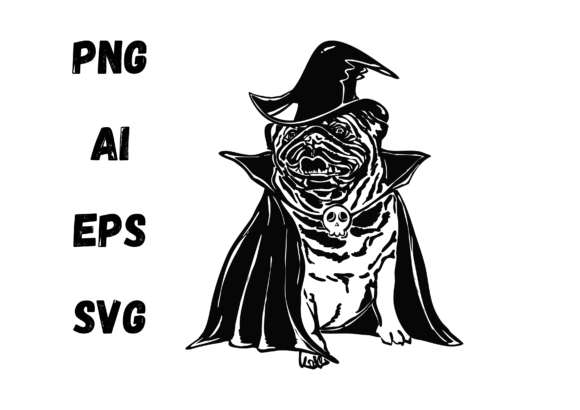
The first impression of this Halloween Pug, Halloween Dog Design is one of immediate charm. It strikes a balance between spooky and silly that fits perfectly into the modern craft aesthetic. Unlike generic jack-o'-lanterns or witches that flood the market, this design focuses on character. The layout feels organic rather than rigid, suggesting that the artist understood the anatomy of the pug before digitizing it. When you look at the visual personality, it screams "custom gift" rather than "mass-produced merch." For anyone looking to add a touch of whimsy to their holiday collection, this graphic offers a distinct advantage over standard clip art.
Real-World Application: From Screen to Stitch
Let me walk you through how I envision this design performing in a real project scenario. Imagine you are preparing a custom embroidered tote bag for a local craft fair. You want something that stands out on a crowded table but remains wearable and practical. The Halloween Pug, Halloween Dog Design is ideal here. The central placement works beautifully on a canvas tote, allowing the full figure of the dog to be appreciated without being cut off by seams or handles.
However, let's push the boundaries further. Consider a sweatshirt embroidery project for a small business owner selling holiday gifts. The design's humor translates exceptionally well to heavier fabrics like fleece or French terry. Because the design features a "Pug Witch" concept, the color palette likely supports high contrast, which is crucial for visibility on dark apparel. When stitched onto a black hoodie, the white highlights of the costume pop, creating a professional finish that customers associate with higher value. It transforms a simple garment into a conversation starter, which is exactly what buyers at craft fairs and Etsy shops are hunting for.
I also see potential in baby items. A soft onesie or a nursery pillow cover featuring this cute character could make for a memorable personalized gift. The friendly nature of the subject matter reduces the intimidation factor often associated with Halloween, making it safe for young children. Yet, we must remain realistic about the execution. If you plan to use this as an embroidery file for a commercial embroidery project, the stability of the stitches is paramount. The design needs to hold up after multiple washes, especially if it ends up on a baby's clothing or a frequently used kitchen towel.
Where Caution Is Required
While the Halloween Pug, Halloween Dog Design is versatile, it is not a universal solution for every surface. There are specific scenarios where this design might struggle, and knowing these limitations is what separates a pro from an amateur. First, consider small hoop sizes. If you attempt to stitch this on a tiny patch or a miniature cap, the details of the pug's face may become muddy. Satin stitch edges can blur together if the area is too small, losing the definition that gives the character its life.
Textured fabrics present another challenge. While a rough linen tote bag adds character, a heavily textured knit or a loose-weave fabric can distort the stitch density. The machine might skip stitches or pull the fabric unevenly, ruining the symmetry of the dog's ears or eyes. Similarly, stretchy fabrics require careful handling. Without proper stabilizer, the tension of the threads could cause the fabric to pucker around the design, making a cute pug look distorted and unprofessional.
Dense stitch areas are also worth noting. If the design includes heavy fill stitches to create the texture of the dog's fur or the witch's hat, ensure your machine can handle the thickness. On thin fabrics, this can lead to perforation or visible holes on the backside. Furthermore, if you are working with dark fabric, the thread colors must be chosen carefully. A light-colored outline might get lost against a midnight blue background, reducing the visual appeal and recognition of the design. Always inspect small details and test the design in black and white mockups to ensure the contrast holds up before committing to the final production run.
Impact on Brand and Customer Trust
In the world of handmade products and Etsy listings, the quality of your embroidery directly impacts customer trust. A sloppy stitch job can ruin the perceived value of a $40 tote bag, while a crisp, clean application elevates the entire brand. The Halloween Pug, Halloween Dog Design, when executed correctly, signals professionalism. It shows that you care about the details and have invested time in selecting high-quality design assets.
This design enhances the handmade presentation by offering a unique focal point. Customers are more likely to engage with a product that features a clever, well-stitched character rather than a generic pattern. It increases giftability because the design is inherently shareable; people love sharing photos of funny dogs on social media. When your finished product gets posted online, it serves as free marketing for your shop. However, this only works if the stitching clarity is maintained. Blurry lines or loose threads undermine the brand consistency and can lead to negative reviews.
Practical Designer Notes for Success
If you are ready to incorporate this into your workflow, here is my advice based on years of experience. Never assume a design will work perfectly without testing. Always test the design on scrap fabric first. This allows you to check thread color contrast and review stitch density without risking your final product. If you are using this as a digital embroidery file for a craft business, verify the licensing terms immediately. Some graphics are intended for personal use only, and selling finished items without the correct commercial license can lead to legal trouble.
Confirm your hoop size before starting the machine. Ensure the design fits comfortably within your hoop dimensions, leaving enough margin for stabilization. Use the proper stabilizer for your fabric type; cut-away stabilizers are generally best for knits and stretchy materials to prevent distortion over time. Check whether the design works for both personal and commercial projects by reading the fine print provided by the creator.
Finally, compare light and dark fabric backgrounds during your setup phase. Sometimes a design looks perfect on white but loses its impact on navy. Adjust your thread colors accordingly to maintain the integrity of the Halloween Pug, Halloween Dog Design. Whether you are creating an applique design, a standard satin stitch piece, or a combination of running stitches and fill stitches, the goal is clarity. By following these steps, you ensure that your embroidery project results in a finished product that delights customers and strengthens your position as a reliable seller in the competitive marketplace of handmade goods.